
We establish the real problem first.
The request a team arrives with is usually a symptom. Before any design starts, we look at the product, its usage data, the market and the people who use it, and agree with you what is actually being solved.
We help leaders ensure their product vision translates into business growth. From the first assessment to the design your developers build from, we bring clarity and confidence to every product decision.
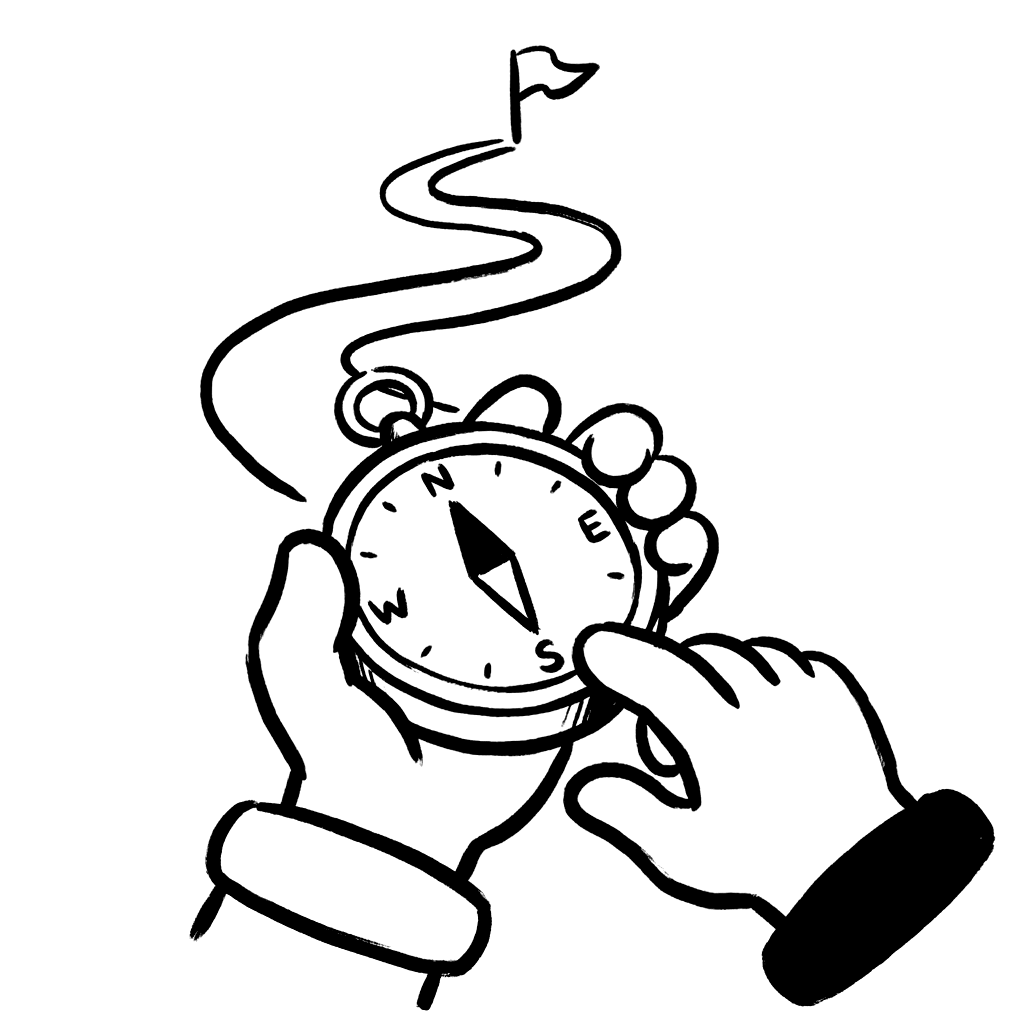
We built Boald to close the gap between strategy and implementation, a gap created by layers of management and politics. A direction is agreed in one room and the product is shaped in another, by people who were not in the first.
So the same senior people stay on the work from start to finish. We assess where the product stands, agree the direction with your leadership team, and design each step to the point your developers build from it. Seventeen years of designing products, applications and websites have taught us that the real problem is rarely the one in the brief, so every engagement starts by establishing it.
The request a team arrives with is usually a symptom. Before any design starts, we look at the product, its usage data, the market and the people who use it, and agree with you what is actually being solved.

That includes the feature that should not ship and the assumption nobody has tested. A recommendation is only useful if it is candid, and we make it before you commit the budget.
Each engagement is tied to a business goal and a number that shows progress. We report against that number, and it is the result we answer for.
Adrien founded Boald and leads every engagement personally, from strategic direction to the design itself. He shapes product decisions with founders, general managers and heads of product, then designs the user experience and the interface, through to the design system their developers build from.
His seventeen years span France, Spain and New Zealand, start-ups and large corporations, agencies including Ogilvy, client product teams and independent practice. That range built one conviction: design earns its place only when it moves the business and improves the lives of the people who use the product. He gives clients a candid view, including what they would rather not hear, and holds himself accountable for the result.
years of international experience


We agree the scope and the price of each sprint with you before it starts.
Every engagement starts with a Clarity Sprint. We go through your product, read your usage data and customer feedback, talk with your team and some of your customers or users, and study your market.
We agree your goals with your leadership team, then set out the gaps that matter most and the roadmap to close them. Each item is scoped and priced, with the number that shows progress.
Each roadmap item you take forward becomes a Focus Sprint: two or three ways it could work and our recommendation, then every screen and state, checked with your users and ready for your team to build. Where the product needs it, a Design System Sprint gives your developers one set of building blocks for every screen.
Fractional Product Leadership can run alongside the sprints or on its own: we lead your whole product with you every month, with vision, goals and roadmap kept current and decisions made every week.

We use AI responsibly, professionally and at the leading edge, for speed and knowledge. We built our own AI system around the way we deliver. Clients hear how we use it in our first conversation, and again in the proposal and the contract.
Research, strategy, writing, design and quality review each sit with a separate AI specialist, trained on our own written methods for that discipline. Its brief sets what it does, what it may decide alone and when it must stop and ask.
Our methods and the lessons from our work sit in a shared library the specialists search, and each client's decisions and context are kept in that client's own record.
Before a task, a specialist searches the library and that client's record, and starts from what fits.
Specialists record what worked and what failed at the end of their sessions. We have been curating these lessons since we built the system. Each one is scored and weak ones are left out, and a correction that matters becomes a written rule the specialists follow.
Work moves through four stages. We establish the cause of the problem, build the answer, test it against a written list of the cases it has to hold for, and check the result once it is live.
Low-risk work is checked by its author against that written list. Work a client will see is checked by a second specialist, and anything hard to undo goes to two separate reviewers, whose job is to find what is wrong with it.
A fact without a source is marked as missing rather than filled in, and in anything we deliver, facts are checked separately from the writing. Nothing is published, sent to a client or paid for without sign-off from the consultant leading the work.
AI works through the tickets, reviews and usage data you share, and maps how your product works. Its findings are checked against the product itself before they shape a recommendation.
You explain your product once. What you told us in week one is still there in month six. We set up our AI work to meet your organisation's privacy requirements, and agree the details with you before the work starts.
A first conversation takes thirty minutes, and we tell you plainly whether we can help.